

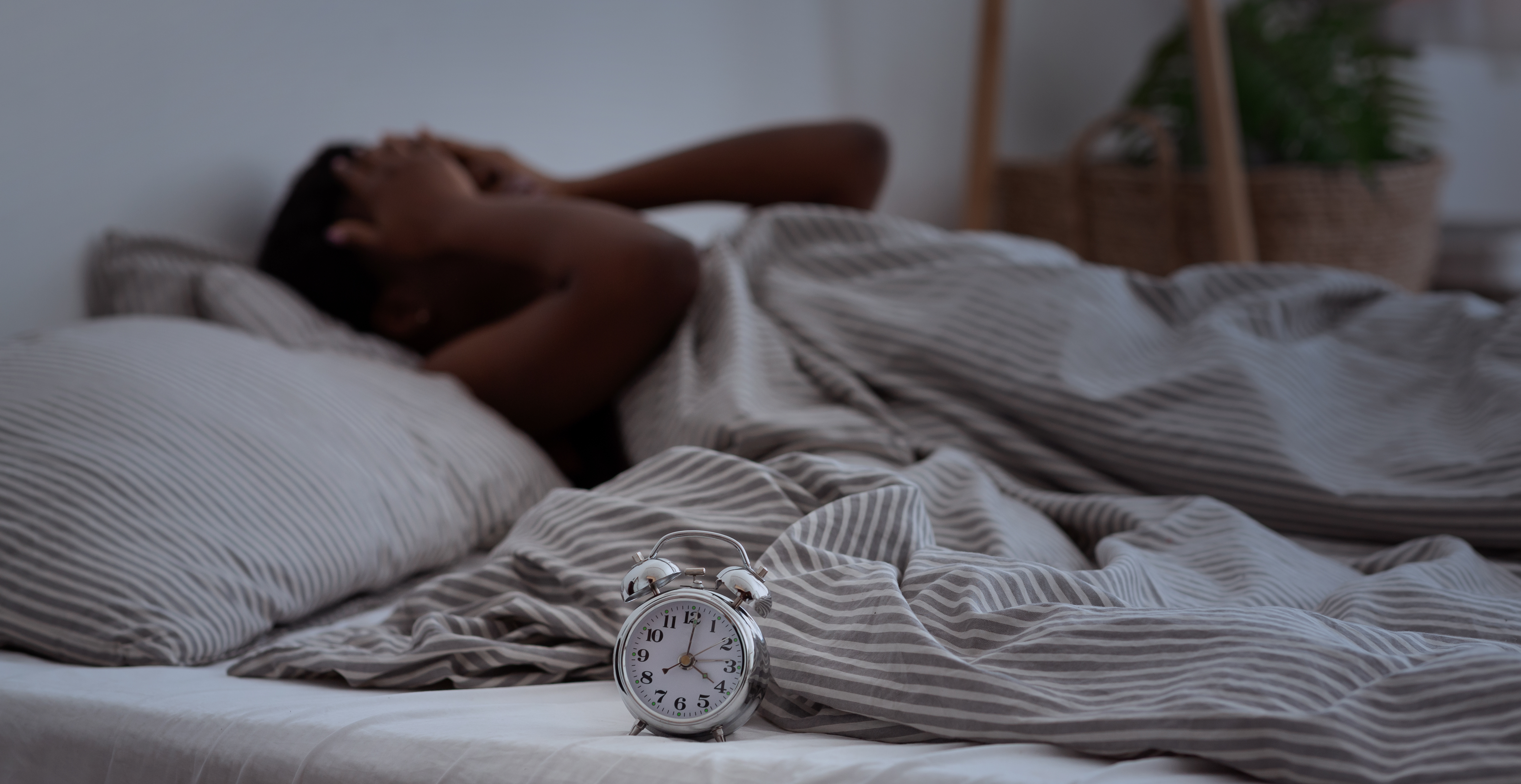
Rajesh had done everything right.
He cut out gluten. He switched to homemade food. He added a probiotic. He tracked his meals in an app for four months. He saw a doctor, two nutritionists, and one gastroenterologist. Nobody found anything seriously wrong. And yet every morning, he woke up bloated, uncomfortable, and exhausted — not quite sick enough to stop working, but not well enough to stop worrying.
It was his sister who finally asked the question nobody else had.
"What time are you going to sleep?"
Rajesh thought about it. Post-midnight, usually. Sometimes 2 am. He had a demanding job, a long commute, and a habit of eating dinner late because that was the only quiet hour he had to himself. Five hours of sleep on a good night. Four on most others. That was the answer. Not the gluten. Not the probiotics. Not the meal plan.
The night.
Sleep deprivation and chronic stress are not separate problems. One reliably causes the other. What is already clear, based on a growing body of research, is that the relationship goes both ways. Poor sleep disrupts your gut. And a disrupted gut makes it harder to sleep. Once that cycle starts, neither problem fixes itself — and treating just one without understanding the other explains why so many people try everything and still feel unwell.
First, What Is Your "Gut" — and Why Does It Matter?
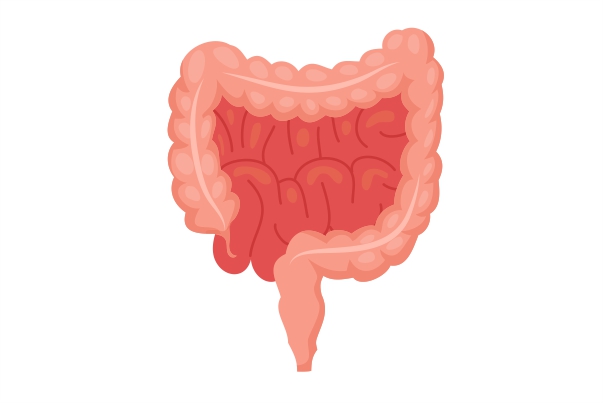
Most of us use the word gut loosely to mean "stomach." But your gut is actually the entire digestive tract — from your mouth all the way to your intestines. Think of it as a long processing highway about 9 metres long, where everything you eat gets broken down, absorbed, and the waste passed out.
Interestingly, inside this highway lives your gut microbiome — trillions of tiny bacteria, fungi, and other microorganisms. You can think of them as your body's invisible workforce. They help digest food, absorb nutrients, fight harmful invaders, and even influence your mood and energy levels.
When this workforce is healthy and balanced, you feel light, energetic, and comfortable after meals. When it is disturbed — by stress, poor food, or poor sleep — you feel bloated, gassy, sluggish, and generally "off." In such situations, supporting the gut microbiome with the right combination of probiotics and prebiotics may help maintain digestive balance.
Formulations like AORA Gut Guard are designed to support gut health alongside healthy lifestyle habits.
Here is the part most people miss: your sleep is one of the biggest things disturbing this workforce. Not the food. The night.
Sleep problem — and the gut is paying for it.
The numbers on Indian sleep health are striking. A recent 2026 survey found that 46% of Indian adults sleep less than six hours — still far below the seven to nine hours that health authorities recommend for adults.
What actually happens to your gut when you do not sleep enough
Your digestive system does not stop working when you sleep. In fact, nighttime is when your gut does a lot of important repair work. During sleep, the gut lining heals, good bacteria stay balanced, and the body works to reduce inflammation. By gut lining, we mean the thin protective layer inside the intestines. Your gut also follows the body’s natural sleep cycle.
If you do not sleep properly or your sleep keeps getting disturbed, these repair processes cannot happen fully. Over time, this may lead to several gut health problems. After prolonged stress, gut bacteria often become imbalanced. In such cases, restoring microbial diversity through probiotics and prebiotics—like those found in Aora Gut Guard—may support recovery.
- Poor Sleep Raises Your Body's Stress Chemical — Which Damages Your Gut Lining

When you are sleep-deprived, your body goes into mild "alert" mode and releases more cortisol — the stress hormone. In small, short bursts, cortisol is useful. But when stress levels stay high for a long time, it can weaken the protective lining of the intestines.
This lining acts like a security gate: nutrients come in, everything else stays out. Weakened by cortisol, tiny gaps appear — allowing bacteria, toxins, and undigested food particles to leak into the bloodstream. This can weaken the gut lining and lead to problems like stomach discomfort, food sensitivities, skin problems, tiredness, and lack of focus.
- Sleep loss makes you eat in ways that hurt your gut
Two hunger hormones get disrupted when you are sleep-deprived. The "eat more" hormone (ghrelin) rises. The "I'm full" hormone (leptin) falls. You end up hungrier, harder to satisfy, and naturally gravitating toward sugar, oily snacks, and processed foods.
These foods reduce the good bacteria in your gut and increase harmful bacteria. This can lead to digestion problems like gas, irregular bowel movements, and heaviness after meals. Poor sleep can make these problems even worse. This is where gut-support supplements containing probiotics and prebiotics may help restore microbial balance. AORA Gut Guard combines beneficial bacterial strains with prebiotic support for daily gut care.
3. Your Sleep Hormone Also Controls How Your Gut Moves Food Along
Melatonin is best known as the hormone that tells your brain it is time to sleep. But it also plays a direct role in how efficiently your digestive tract moves food and waste through the body.
Disrupted melatonin — from late nights, screen use before bed, or irregular sleep timings — can slow gut movement and worsen acidity and reflux. Some people with frequent acidity and heartburn are also given melatonin, which may help improve both sleep and digestion.
4. Eating close to bedtime because you stayed up too late
When you stay awake late at night, your body naturally starts craving food. Eating too close to bedtime can disturb both digestion and sleep. It may lead to acidity, poor sleep, and less time for the gut to rest and recover properly.
The direction most people miss: your gut also affects your sleep
Most people do not realize that the connection between sleep and gut health works both ways. Poor sleep can affect your gut, but an unhealthy gut can also affect your sleep.
Your gut helps the body produce serotonin, a chemical that plays an important role in making melatonin — the hormone that helps you sleep. When your gut health is poor or the balance of good bacteria is disturbed, melatonin production may also get affected, making it harder to fall asleep or sleep properly.
Poor gut health can lead to poor sleep, and poor sleep can make gut health even worse. This cycle can continue over time if not managed properly.
A 2022 study published in Sleep Medicine Reviews by Wang et al. describes this as the microbiota-gut-brain axis — a bidirectional communication system where each end of the relationship continuously influences the other. Improving one without addressing the other often produces partial results at best.
Quick Reference: Your Gut-Sleep Action Plan
Category Recommended Actions
Sleep Routine • Fix a consistent bedtime and wake time (including weekends) • Aim for 7–9 hours • Avoid screens 60 minutes before bed • Do not nap past 3 pm.
Meal Timing • Finish dinner at least 2–3 hours before sleep • Eat meals at consistent times daily • Avoid heavy, oily, or sugary food close to bedtime
Dietary Support • Add fibre-rich foods: oats, dal, onions, garlic, flaxseeds, bananas • Include fermented foods: curd (with live cultures), chaas, homemade pickles • Reduce ultra-processed foods and excess sugar.
Supplements • Consider a daily pre+probiotic if sleep has been poor for months, after antibiotics, or with high stress • Look for intestinal-release (delayed-release) capsules that survive stomach acid • AORA Gut Guard — SNZ Tribac Blend + FOS prebiotic, 1 capsule daily after food.
Conclusion
Along with better sleep habits and balanced meals, consistent gut support may also help improve digestive comfort over time. Aora Gut supports beneficial gut bacteria and overall digestive wellness. Your gut doesn't only respond to what you eat. It responds to when you sleep, how long you sleep, and how consistently you do both. Treat the night with the same care you give your meals — your gut will follow.
Sources & references
Ground Report / LocalCircles World Sleep Day Survey 2026 — 46% of Indian adults sleep less than six hours. groundreport.in
Supasitdikul T et al. (2025) — Sleep Deprivation Alters Gut Microbiome Diversity and Taxonomy: A Systematic Review and Meta-Analysis. Journal of Sleep Research. doi:10.1111/jsr.70125
Wankhede NL et al. (2025) — Sleep deprivation-induced shifts in gut microbiota: implications for neurological disorders. Neuroscience. doi:10.1016/j.neuroscience.2024.11.070
Sun J et al. (2023) — Sleep Deprivation and Gut Microbiota Dysbiosis: Current Understandings. Int J Mol Sci. doi:10.3390/ijms24119603
Wang Z et al. (2022) — The microbiota-gut-brain axis in sleep disorders. Sleep Medicine Reviews. doi:10.1016/j.smrv.2022.101691
Dr. Barish, Henry Ford Health — Quotes sourced from Henry Ford Health Blog: How Lack of Sleep Can Affect Gut Health. henryford.com
GI Solutions Inc. (2025) — Stress and Leaky Gut: The Gut-Brain Connection. gisolutionsinc.com
Helpguide.org (2026) — Sleep Facts and Statistics. helpguide.org

Written by Jayant Upadhyay
Jayant Upadhyay is a brand builder and growth strategist with over 14 years of experience across SaaS, AI, D2C, and consumer wellness sectors. He specializes in scaling digital-first brands through a strong blend of storytelling, SEO-led growth, and performance marketing.
He has led end-to-end brand and growth functions across multiple startups, building high- impact content ecosystems and driving large-scale organic acquisition across India and global markets. His work focuses on creating brands that combine strong positioning with long-term consumer trust. Currently, he at AORA India Private Limited, where he is building a premium, science-led wellness brand focused on modern health and nutrition.


